FAUZIA'S FAVORITE THINGS- SUMMERTIME 2021 EDITION!
If you know me at all, you know that when I like something I don’t just like it… I LOVE it. Well, here is a little compilation of the things I have been especially enjoying this summer- I hope you find some jewels in here that you love as well!
I devoured Circe by Madeline Miller and this book about Helen of Troy and her sister Klytemnestra last month (couldn’t put them down, read for hours at a time). Same thing with Sally’s Rooney’s Conversations with Friends. Other great beach reads: Anything written by Liane Moriarty.
This raw vegan chocolate cheesecake is and will always be one of my absolute faves.
I finally found a clean makeup line that I absolutely love and they even carry it locally at Sephora. I’ve never looked so glowy! I love these products so much I made a video about them.
If I could only use one skin care product for the rest of my life, it would be this Vitamin C Booster from Ilike. It sells out instantly every time I order it for my clients, which is often!
This has been my go-to workout lately. Sometimes I just do 10 minutes and it’s enough to feel energized. Do the whole thing and you’ll feel stronger in no time!
I love using this 3 minute box breathing video as an invigorating work break.
Speaking of invigorating, I’ve been using this Body Detox Oil for over a year now and I love the results!
Summer wouldn’t be summer without my Banana Lime Magic Bars. They’re the best frozen treat!
Last but not least, a little summertime playlist for ya, curated by yours truly.
P.S. Aside from products or services purchased directly through me, I receive no monetary compensation for anything on this list.

Navigating the Holidays with Ease
Feeling nervous about getting through the holiday season without totally derailing your efforts to stay on track with your health and wellness goals? Don't worry! Here are a few tips to help you along:
Tip #1: Avoid that over-stuffed, overindulged feeling by always creating a Balanced Plate at every meal. This means Thanksgiving dinner, too!
Fill 1/2 of your plate with above-ground veggies, leafy greens or salad, 1/4 of your plate with protein (meat, fish, poultry, eggs, lentils, beans, tofu), and 1/4 of your plate with your starch (whole grains like rice, pasta and quinoa, potatoes, yams, root veggies, ulu, poi). Dinner rolls and all breads fall into the starch category as well. For healthy fats, do some avocado or add a couple of tablespoons of nuts, seeds or a healthy salad dressing.
Voila! You have yourself a Balanced Plate of food that will allow you to enjoy all of the delicious holiday offerings without feeling terrible that night or the next morning, and you'll be less likely to overindulge because your body will have all of the nutrients that it needs to feel satiated and satisfied. When it comes to dessert, go ahead and partake! Just be sure you eat a proper meal first and don't overdo it. You're future self will thank you :-).
Tip #2: If seconds are calling your name but you're feeling conflicted about it, I recommend drinking a glass of water and waiting 20 minutes before digging in again. This will give your body and your mind a chance to catch up with each other. You might find that you're not actually hungry anymore.
Tip #3: If you end up overindulging and you're not feeling awesome about it, DON'T SWEAT IT! One meal or even an entire day (or a weekend) of eating and/or drinking too much is not going to derail you, make you gain weight, or create any kind of unwanted long-lasting effect. Everyday is a new day and you can always start fresh. Stay in the present moment, don't dwell on the past and be loving and gentle with yourself. It's not what you do sometimes, it's what you do most of the time.
Tip #4: Please enjoy yourself! The way that you feel while you're eating is just as important as the food itself. So have fun and partake without guilt or judgement.
Tip #5: Move your body! Even if it's just for 10 minutes a day, get yourself moving. Exercise makes EVERYTHING better. It clears stress hormones from the body, reduces cravings, uplifts mood, creates clarity of mind, improves digestion and gets everything circulating and moving! We all need all of these things during the busy and stressful holiday season, am I right?
Tip #6: Breathe! There is not an easier or more effective way to calm the nervous system and kick us into REST & DIGEST mode like deep, slow belly breathing. When the overwhelm of the season starts getting to you, as it does to me, just take a few moments no matter where you are to take a few, slow, deliberate deep breaths. You can do this while driving, while cooking a meal, while cleaning, taking a bathroom break, stuck in line on Black Friday, running errands with the family or right there at the dinner table. You can also make this into a beautiful solo practice by sitting or lying in bed and starting and ending your day with deep breathing. Take it a step further by putting a couple of drops of your favorite essential oil on a tissue and inhaling. The active constituents in the oil affect the olfactory nerves and instantly creating a shift in the nervous system. My favorites for calming down are lavender, chamomile and clary sage. I like to carry a bottle of lavender oil with me in my bag so I can sniff it whenever I need to. It really does help!
Tip #7: Please take care of yourself. Just because it’s the holidays that doesn’t mean that your self care practices are thrown out the window. Yes, the holidays are a time for giving and we are taught to put ourselves on the back burner and focus on others. But during this busy and depleting time of year I am asking you to GIVE TO YOURSELF. When things get overwhelming it’s more important than ever to dial in your self care. Take time to reconnect with yourself- listen to your body and honor what it needs- this is where your intuition comes in. You don’t have to be fancy or spend a lot of money. Just make sure that are meeting your own needs, taking breaks for yourself, doing what you need to fill up your own cup and feel balanced (as much as possible!). Invest a little time into your self care now and you won’t feel so rough coming out the other side. It’s okay to think about yourself during the holidays! In fact, it’s necessary. I promise.
I hope that these tips are helpful. If you are still feeling utterly overwhelmed and need support, please feel free to reach out to me. I am here for you!
With aloha,
Fauzia
My Top 10 Tips for Eating Healthy
1. My favorite tip for improving your nutrition comes from my nutrition school mentor, Mary Sheila. One of the first things she taught me is to eat a Balanced Plate at each meal, including breakfast. Fill half of your plate with leafy greens and/or above ground vegetables, 1/4 of your plate with a high fiber starch, and 1/4 with high quality protein. Add two “thumbs” or tablespoons of healthy fats, and you have a satisfying meal that takes the guesswork out of figuring out how to eat. You’ll also experience improved energy levels, less mood swings, and diminished cravings.
2. Eat a variety of whole, nutrient-dense foods for optimal health. Everything that we consume affects our bodies at the cellular level, giving truth to the saying “you are what you eat.” Nourish your body and do wonders for your well being by focusing on nutrient rich foods that pack the biggest punch. Some of my favorites are wild Alaskan salmon, local grass fed beef, organic free range eggs, nuts and seeds, dark leafy greens, avocado, lentils and beans, herbs and spices, and the entire rainbow of fresh fruits and vegetables. There are so many healthy and delicious options available to us. Food truly is medicine!
3. Watch out for the “Nutrition Bandits,” foods that perpetuate chronic stress and inflammation in the body, zap our energy, and lead to disease. Avoid refined flour, refined sugar (also called evaporated cane juice, cane syrup, and cane sugar), cornstarch, high fructose corn syrup, agave syrup, artificial colors, flavors, and sweeteners and preservatives, trans fats, hydrogenated oils and fats, industrial seed oils like cottonseed or vegetable oil, genetically modified foods, or foods containing GMO’s, and packaged foods with ingredients that you don’t recognize or cannot pronounce.
Examples: Fast food, chips, candy and chocolate bars, soda, white bread, commercially baked goods like sweet rolls, croissants, cakes and cookies, ice cream, energy drinks, electrolyte drinks like Gatorade, most fruit juice, sweetened yogurt, white potatoes in excess, Clif Bars and other highly sugared protein bars, and more. It’s unrealistic to completely eliminate packaged foods, so a good rule of thumb is to choose foods with 5 or less ingredients on the label.
4. Keep your blood sugar balanced throughout the day by eating high quality protein at meals and snacks. Balanced blood sugar equals good energy and a stable mood, and will help you avoid that late afternoon crash that makes you crave sugar, carbs, and caffeine. Have healthy snacks on hand so that you don’t feel tempted to reach for things like chips, cookies and pastries when you are hungry. These foods are appealing because they quickly boost our blood sugar making us feel better in the short term, but the lack of protein and fiber causes our blood sugar to rapidly fall, resulting in mood swings, fatigue, and more cravings.
Try these: A handful of nuts, hummus and carrot sticks, edamame, cheddar cheese with multigrain crackers, unsweetened yogurt with berries, apple slices with unsweetened almond or peanut butter, a hard boiled egg, or turkey slices with pesto.
5. Hydration is essential. Drink half of your weight in ounces of water each day, more if you are especially active or consume a lot of caffeine. For example, if you weigh 150 pounds, strive for about 75 ounces of water per day. Fatigue, sluggish metabolism, and unhealthy cravings are often associated with dehydration.
6. Crowd out the junk by adding in more health promoting foods. Transitioning to a healthier way of eating may leave you feeling deprived of the foods you love, but by shifting the focus to getting more good stuff like vegetables, clean proteins, and healthy fats, the less room there will be for the unhealthy foods. Give your body the nutrients it needs, and there will be less space for the junk.
7. Don’t get caught up in following a strict or trendy diet. Think about what works best for your unique biochemistry, and what you need to function optimally. For example, do you require high quality animal protein like wild caught fish, free range eggs, and grass fed beef to sustain good energy and a balanced mood, or do you feel better eating plant based proteins like lentils, beans, tofu, and nuts? Can you digest whole grains like brown rice and quinoa, or do they leave you feeling overly full and bloated? Can you tolerate dairy like a champ, or does it aggravate your gut? It may take some trial and error to find a flow with your meal planning, but figuring out your best way of eating will have long term positive effects on your health.
8. Preparation is the key to success. Make it easy to eat well, and hard to eat poorly. Have healthy meal and snack options readily available at home and at work, and keep the junk food out of the house. If it’s not around, you won’t eat it. Find some time on the weekend to go grocery shopping and do a little bit of food prep for the coming week. Stock up on your main proteins and veggies for the week, and prepare some ahead of time. Make a dozen hard boiled eggs, slow cook a batch of beans, and shred a pound or two of cooked chicken to quickly add to salads and wraps. Save time by doubling recipes when you cook so that you’ll have leftovers for the next day. Keep a box of pre-washed organic greens and a healthy salad dressing in your fridge, cut up crunchy veggies like carrots and bell peppers to snack on throughout the week, and roast a couple of pans of mixed vegetables. If your schedule is especially busy, take advantage of a local grocery delivery service. Food shopping is half the battle, so treat yourself to some help in that arena if you need it.
9. Slow and Steady Wins the Race: when it comes to making healthy changes to your diet, think small and sustainable. It may be tempting to change everything all at once, but that approach rarely works for the long term. The goal is to adapt a way of eating that is more lifestyle and less diet, so pinpoint 1-3 things you’d like to change and focus on truly incorporating those habits into your daily life until it becomes routine.
10. Remember that when it comes to good nutrition, it’s not about what you do once in a while, it’s what you do most of the time. Don’t get caught up in falling off the proverbial wagon. If you stray from your ideal eating plan, just be gentle with yourself and know that as important as it is to eat right, it’s equally important to enjoy life and to do the things that make you happy. We are a culture that loves and celebrates food, so go for it once in a while, and don’t feel guilty about it.
Optimizing Nutrition for Parkinson’s Disease
Last month I had the honor of speaking about Nutrition for Parkinson’s Disease at the annual Hawaii Parkinson’s Symposium. I talked about the gut-brain axis and the importance of a healthy gut microbiome, reducing inflammation, and how the Keto diet and Intermittent Fasting can improve brain function. This is great info for everyone! Click the link below to watch my talk.
How to Get Your Kids to Eat Healthier + Easy Lunch Ideas
Happy Spring, everyone! I always love this time of year as the sun gets stronger, the ocean starts to warm up again, and our days get a little longer. I find that the change of seasons provides the perfect opportunity to switch things up in the kitchen and introduce some new healthy and delicious recipes to our weekly rotation. Picky eaters can make this a challenging task, though, and that got me thinking about two questions I get all of the time from parents: “How can I get my child to eat better?” and “What should I pack in my child’s lunchbox?” So, here are my top 3 tips for improving your children’s diets as well as ideas for healthy lunches to pack for school.
1. Include your children in the meal planning and cooking process. Get your kids’ input on what kind of healthy meals they’d like to eat and then include them in food shopping and meal prep. My boys love to pick out produce for recipes and then help us cook dinner using the ingredients they chose. We have found that they are more excited to eat a meal that they’ve helped prepared.
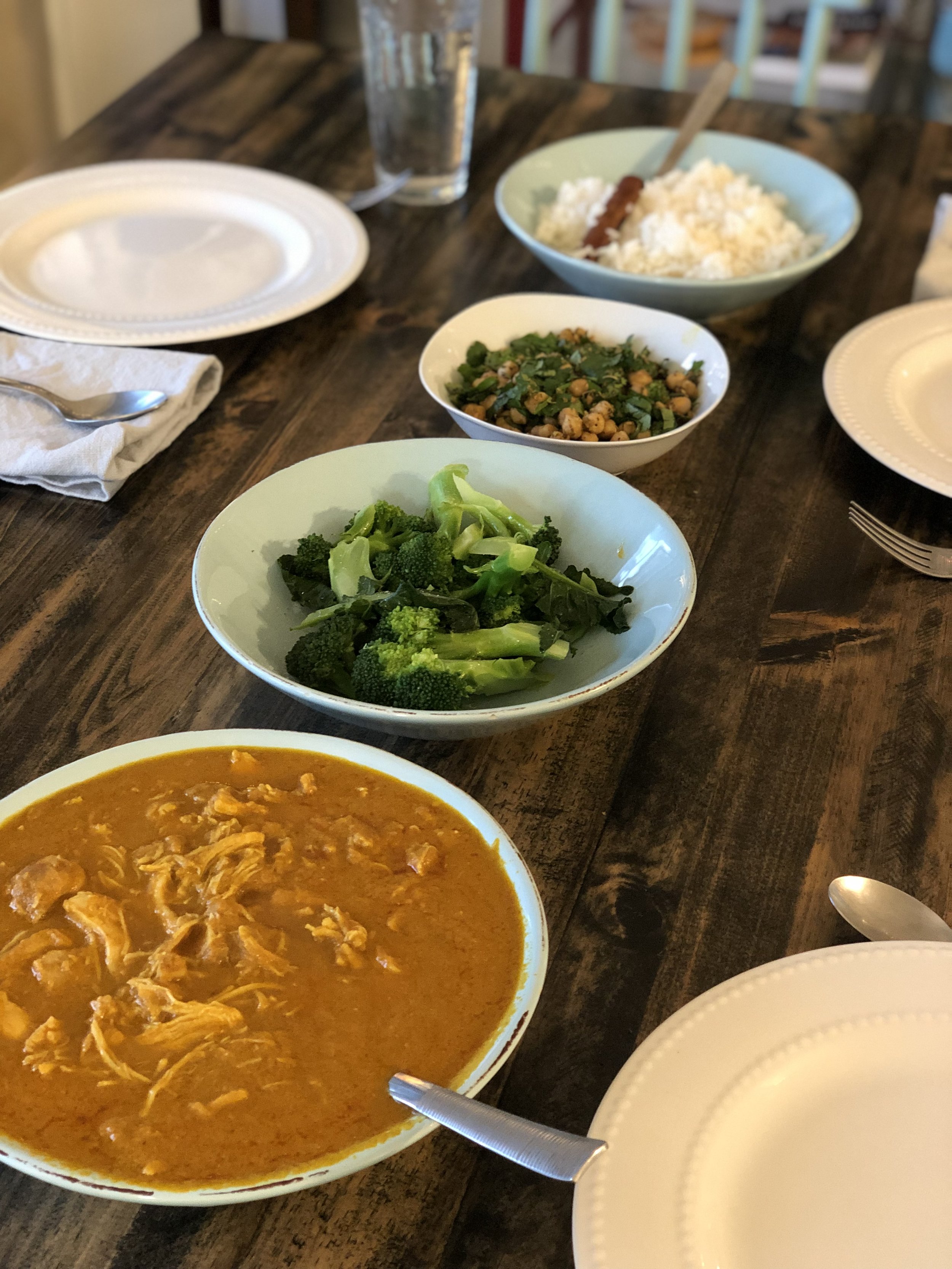
2. Offer healthy choices and let them serve themselves. This is a great strategy for eliminating stress at the dinner table. For example, I’ll set out chicken curry, steamed broccoli, brown rice and salad greens with a healthy dressing, and whatever my boys want to eat from those options is fine with me because they are all whole and healthy foods.
3. Explain why it’s important to eat healthy foods. This has been a powerful tool for us in getting our boys to eat well. They understand what protein, carbs and healthy fats do for their bodies and also know their favorite foods within each group. This helps to create more balanced meals with less strife. Providing the “why” to a child who tends to question everything can be transformative.
4. Be patient, and remember that you’re in charge. As the parent you are responsible for what foods end up in your house, so set the tone by getting rid of the junk and replacing it with healthy alternatives. Change can be hard and your children might protest at first, but they will respond positively to your resolve and eventually follow your example. It takes practice and consistency. The process might be a little bit painful, but I promise it gets easier!
5. Be compassionate. I know it might feel like your child is refusing to eat or being extra picky just to torture you, but there’s most likely a good explanation behind it. My youngest is a very picky eater and has true sensory issues around food, so when we realized that around age 2 it was a big aha moment for us. We respect his preferences and never force him to eat something he doesn’t want to. This might mean that he only eats 4 pieces of broccoli at dinner, but that’s okay with us. We don’t want to create conflict or a power struggle around food. Instead, we want our kids to feel like they can listen to their bodies and that they have control over their bodies- they might be little, but they are still individuals with personal preferences and opinions, just like the rest of us.
6. Let it go. I have found that the more we try to force something, the more pushback we get. One of our best strategies with our picky one is to shrug our shoulders and lovingly say, “Ok. We actually don’t really care if you eat or not,” and then the rest of us eat our dinner and usually the little one will end up eating almost everything on his plate. The psychology of this is amazing! We also let our kids know that it’s fine if they don’t eat their dinner, but they won’t get a bedtime snack (usually fruit) if they don’t do a good job on their meal.
7. It’s your job to provide the food, but it’s up to your kids whether they eat or not. This is a great piece of advice that we got from our pediatrician years ago. Kids go through phases, growth spurts and developmental milestones and their appetites are bound to change. Trust that they will eventually eat when they get hungry enough. Sometimes my kids will eat only fruit for days in a row and then something shifts and they go back to eating a more balanced diet. If you feel like your child is malnourished, however, then definitely seek out the opinion of a medical professional.
Ideas for Healthy Lunches
All three of these recipes are nutrient dense and full of high quality protein which will keep your child’s blood sugar balanced throughout the afternoon (and help to prevent after-school meltdowns!). Add in some cut veggies and fresh fruit and you’ve got a healthy and balanced lunch for your child.
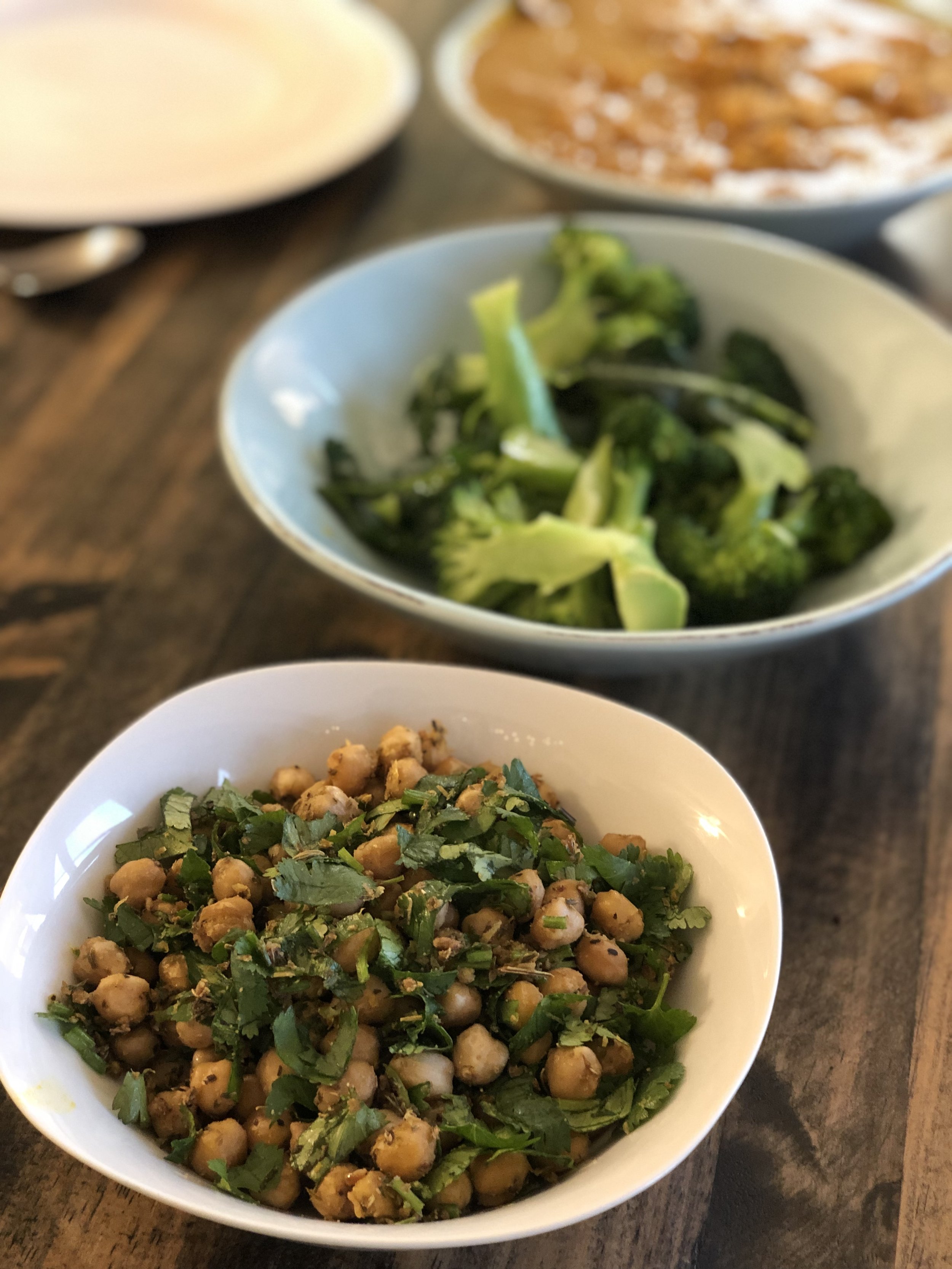
Marinated Chickpeas
1 can organic chickpeas, rinsed and drained
1 tbsp extra virgin olive oil
1/2 tsp ground cumin
1/2 tsp garlic powder or 1 small garlic clove, minced
1 tsp dried oregano
Zest of one lemon
Squeeze of fresh lemon juice
1/2 tsp Himalayan pink salt
Combine all ingredients and store in an airtight container in the fridge. These beans make a great finger food for lunches and they are packed with protein and fiber.
Turkey Roll Ups
Sliced organic turkey
Your choice of fillings: Pesto, grated cheese and hummus work well.
Put a tablespoon of filling in the middle of a turkey slice, and roll it up. Serve with whole grain crackers or turn this idea into a sandwich made with whole grain bread.
Salmon Salad
1 can wild salmon, juices intact
1-2 tbsp fresh lemon juice
1-2 tbsp extra virgin olive oil
One stalk celery, finely chopped
1 tbsp capers, finely chopped
Handful of fresh cilantro or parsley, finely chopped
Sea salt to taste
Flake salmon in a medium bowl. Add remaining ingredients and mix well. Check for seasonings and store in the fridge for up to 3 days. Be sure to send this in a container with a tight seal so that the juices don’t leak out. Serve with your favorite whole grain crackers.
More protein ideas: Hard boiled eggs with pesto, cheddar cheese with apple or cucumber slices, hummus with carrot sticks or multi-grain tortilla chips, marinated tofu cubes with whole grain crackers, almond or sun butter with apple slices.
I hope that you find these suggestions helpful. Kids are always changing and growing and never cease to amaze me with their adaptability. If you try a new recipe or lunch idea and your child isn’t into it, don’t give up. Sometimes it takes a few tries before they catch on and realize they actually do like it!
What’s in your family’s weekly rotation? What have you found to be the most successful lunch foods for your kids? Please comment below- I want to know!
Wishing you health and aloha until next time!
Fauzia