Boundaries: Invitations for aligned connections
Learning how to have healthy boundaries has been a lifelong journey for me. I grew up in an environment where boundaries were never named, modeled, or honored. I learned early on to stay quiet, suppress my needs, and prioritize everyone else’s emotional comfort above my own. For much of my life, I felt confused—unsure why I felt awkward, overwhelmed, or uncomfortable in relationships that others clearly recognized as unhealthy, but that felt “normal” to me.
Learning how to have healthy boundaries has been a lifelong journey for me. I grew up in an environment where boundaries were never named, modeled, or honored. I learned early on to stay quiet, suppress my needs, and prioritize everyone else’s emotional comfort above my own. For much of my life, I felt confused—unsure why I felt awkward, overwhelmed, or uncomfortable in relationships that others clearly recognized as unhealthy, but that felt “normal” to me.
When I did try to speak up, even as an adult, I was often met with resistance or shame. It wasn’t until I began healing past trauma and relational wounding that I started to understand why boundaries felt so difficult—and why it seemed like so many people in my life struggled to respect them.
Everything shifted when Human Design entered my life over seven years ago. Learning that I am a Projector with a very open design was the first time I truly felt seen. Suddenly, my sensitivity made sense. There was nothing wrong with me, which I often wondered—I was energetically porous, deeply empathic, and never meant to relate to others the way I had been taught. Understanding my design gave me a language for my experience and a pathway out of harmful patterns of self-abandonment.
From there, I began a journey of deep healing and self-actualization. Today, my relationship with boundaries feels embodied, peaceful, and clear. Creating healthy boundaries is no longer something I force or defend; it’s something my energy naturally communicates. While challenges still arise—and uncomfortable conversations still happen—they no longer carry the confusion, stress, or self-doubt they once did. Supporting my clients in cultivating this same grounded, self-trusting relationship with boundaries is one of my greatest joys, because I see how profoundly liberating it is. Boundaries free us to live authentically, embody our fullness, and form relationships that are truly nourishing.
Many of us were taught to think of boundaries as barriers, but they are not walls. Boundaries are invitations for aligned connection—and one of the clearest expressions of self-respect.
In practice, however, living this truth is rarely simple. In relationships, choosing integrity over obligation, familiarity, or emotional over-functioning is not always socially rewarded. While there is widespread encouragement to “protect your peace” and “honor your boundaries,” the lived experience of doing so can be complex, uncomfortable, and deeply confronting.
Boundaries can make others uncomfortable. They can be taken personally. And when that happens, the person holding them is often misunderstood—labeled as difficult, withdrawn, selfish, wounded, or uninterested in connection. Over time, this kind of feedback can lead to self-doubt, isolation, and a quiet questioning of one’s own values, especially when it comes from long-standing or formative relationships.
Many of these dynamics are rooted in unspoken codependency. When a relationship has relied on over-giving, emotional bridging, or self-abandonment to function, the introduction of boundaries can feel destabilizing. There is often an unexamined expectation that one person will continue carrying the emotional labor required to keep the relationship intact. And when that labor stops, the relationship may begin to unravel.
This does not mean the boundary was wrong. And it does not mean a relationship must require self-betrayal in order to survive.
Healthy boundaries reveal what is sustainable and what is not. They clarify where responsibility truly lies. And while it can be painful to release relationships that no longer align, boundaries are not acts of rejection—they are acts of honesty. There are relationships that can meet truth with respect, and there are others that cannot continue without the erasure of one person’s needs.
Discernment is not a lack of care; it is a commitment to integrity. Boundaries do not diminish connection—they refine it.
We are currently in Aquarius season, which adds another layer of meaning to this conversation. Aquarius reminds us that authentic community is built on clarity, autonomy, and conscious choice—not on self-erasure. It teaches us that belonging does not require over-functioning, and that connection does not need to come at the cost of our nervous system or sense of self.
This is where Human Design offers a powerful and compassionate lens. Each person’s design carries a unique energetic blueprint for how connection is meant to work—how much to give, when to engage, where rest is essential, and how boundaries naturally function when we are living in alignment. Many struggles with boundaries are not personal failures; they are signs of trying to live and relate in ways that were never energetically sustainable to begin with.
This is why I am so excited to teach my upcoming class called Inviting Alignment: Creating Embodied Boundaries through Human Design. This offering is centered on boundaries as invitations—shifting the way we relate to boundaries from something we defend or explain into something we embody. Together, we’ll explore how your unique design is meant to engage with others, how to recognize when you’re overextending or self-abandoning, and how to live in a way that allows boundaries to arise naturally, without force or fear.
When you embody your design, boundaries become less about saying “no” and more about living in alignment. The result is a healthier, easier, and more sustainable relationship with yourself and with others—one that supports authentic connection, self-trust, and relationships that truly honor who you are.
You’ll find the full details for my upcoming class—dates, structure, and registration—below. This is an invitation to learn how boundaries can feel natural, embodied, and deeply aligned with your design.
Start Differently, Not Perfectly: Change begins with disrupting a pattern
A dear friend told me that she and her partner are starting couples therapy next week, which of course I am all for.
We were chatting over text and I was about to write, “I hope it goes well," but I didn’t. Instead, I found myself saying “That’s great. It’s the start of something different.”
Because here’s the thing: I don’t believe the first step towards change needs to go well.
The first step towards change doesn't need to go well.
It just needs to be different from what you were doing before.
A dear friend told me that she and her partner are starting couples therapy next week, which of course I am all for.
We were chatting over text and I was about to write, “I hope it goes well," but I didn’t. Instead, I found myself saying “That’s great. It’s the start of something different.”
Because here’s the thing: I don’t believe the first step towards change needs to go well.
This might be an uncommon perspective, but it’s one I’ve come to trust deeply. We’ve been taught that change requires the right plan, the right insight, or the right outcome. That the first attempt needs to prove itself—otherwise, why bother?
But real change doesn’t begin with solutions. It begins with disrupting a pattern.
So many of us get stuck in analysis paralysis because we think the initial move has to fix the problem—or at least confirm that we’re “on the right track.” We treat the first step like a referendum on the future. And when the stakes feel that high, it’s no wonder we freeze.
What actually matters is much simpler: The first step only needs to be different.
Not effective.
Not perfect.
Just different.
From there, something subtle but important happens. Energy shifts. Information appears. Your inner authority responds. The situation responds. You begin to orient yourself from inside the experience instead of trying to solve it from the outside.
I see this clearly in my work. I’ve been supporting a client who is navigating a challenging co-parenting relationship. She knew from the beginning that something needed to change, but she felt overwhelmed by the belief that she had to have it all figured out: the communication, the power dynamics, the solution.
When I asked her what she actually wanted, she said, “I want to be able to say no. I want to say, “This doesn’t work for me anymore, and something needs to change.” But that felt impossible. Her nervous system didn’t experience boundaries as safe.
So we didn’t start with scripts or strategies. Instead, we started by building safety around the idea of having boundaries at all. Safety around saying no. Safety around trusting that she’s allowed to disrupt the status quo.
Instead of shouldering the responsibility to come up with a solution, she chose one small, embodied experiment: saying no when it truly felt like a no.
That was enough to begin breaking the pattern, and to take an intentional step forward.
When something ahead of you feels like a mountain, it’s easy to adopt a defeatist mindset: “Why try? Nothing will change. I don’t even know where to start.”
But clarity doesn’t come before movement—it comes from it.
Sometimes the only thing you need to know is that you don’t want things to continue as they are.
This is why I often say that life is an experiment. Not in a careless way, but in a deeply compassionate one. Experiments don’t guarantee outcomes. They invite curiosity. They allow you to gather data without attaching your worth—or your hope—to the result.
What if your next step isn't meant to solve anything, but just to disrupt the current pattern and open the way for something new?
You don’t need the whole plan.
You don’t need certainty.
You just need one step that’s different. And from there, the path tends to reveal itself. In fact, it always reveals itself.
If something in your life feels stuck or heavy right now, I invite you to pause and ask yourself: What would one small, intentional step look like—not to fix this, but to move it forward?
Let that be enough for today.

The Discomfort of Authenticity: What it really takes to live in alignment, and why it's worth it
I’d love to offer a different kind of invitation this year. Instead of focusing on resolutions or trying to be “better” than you were last year, what if you asked a simpler, deeper question: How can I be more myself in 2026?
To be more yourself—to live authentically—is to live in alignment with your values, needs, feelings, and inner truth, rather than shaping yourself around expectations, conditioning, or the need for approval. It’s about really showing up for yourself, as yourself.
I’d love to offer a different kind of invitation this year. Instead of focusing on resolutions or trying to be “better” than you were last year, what if you asked a simpler, deeper question: How can I be more myself in 2026?
To be more yourself—to live authentically—is to live in alignment with your values, needs, feelings, and inner truth, rather than shaping yourself around expectations, conditioning, or the need for approval. It’s about really showing up for yourself, as yourself.
But being authentic is uncomfortable—especially if you were raised to people-please, put others’ needs before your own, or rely on external approval to feel okay or worthy. If that’s been your wiring, operating authentically doesn’t feel liberating at first. It can feel destabilizing.
For most of us, the path to authenticity requires deconditioning. And deconditioning is no small thing. It means learning boundaries. Letting go of people, roles, attachments, and patterns that once felt safe but no longer serve you. It often requires renegotiating relationships and partnerships—and sometimes that means the end of a relationship or career path that once provided a sense of stability and grounding.
Deconditioning asks you to put your own needs first, which can feel selfish in the beginning. Fear of judgment shows up—along with self-judgment. I’ve judged myself for wanting change, for choosing what felt right in my heart even when it didn’t align with social expectations. Maybe you have judged yourself, too.
It also means releasing and healing unhealthy thought patterns that feel familiar, because the subconscious equates familiarity with safety—even when it’s not healthy.
And then there’s the part that might be hardest of all: radical honesty with yourself. Authenticity asks you to face your pain, your patterns, your “stuff.” We all carry pain—our own, and often the pain of our lineage. It may not always be consciously felt, but it still operates in the background, shaping how we live. Eventually—if you’re willing—you gain awareness of that pain and reach a point where operating from conditioning and wounding is no longer possible. Something has to change, and this is when authenticity stops being a choice. It becomes the only way forward.
Along the way, allies matter. Some relationships fall away because they can’t meet the version of you that’s emerging. Others, when rebuilt slowly and with healthy boundaries, can be deeply healing and validating. These connections remind us that being ourselves doesn’t always lead to abandonment—and that being authentic can actually create more love, abundance, and fulfillment.
The return on authenticity is incredible, and the rewards are immense. But the process can be deeply uncomfortable at times—and I don’t think it’s meant to be otherwise. If you’re feeling unsettled as you set boundaries, release old patterns, or do relationships differently, you’re not alone. This discomfort is part of the growth. It’s proof that you’re doing something differently than you did before. Change is hard—but nothing changes if nothing changes, right?
On the other side of that discomfort is something real and grounded: an unwavering sense of self, truth, and self-worth that you’ve courageously created—not something inherited through conditioning or expectation. You’re steadier, clearer, and far more anchored in who you truly are. You walk a path you’ve carved out for yourself—authentic to your heart, your soul, your mission.
As you read this, I wonder: What could you do today to take a step toward deeper authenticity? What would feel empowering, creative, liberating, or bold? Notice what comes to you first, and then make it your job to follow through. Your future self will thank you.
Having the Hard Conversation: How Heart-Led Honesty Creates Connection and Healing
I’ve had many hard conversations in my life — telling a friend their behavior hurt me, setting boundaries with family members, being honest with my business coach that her methods weren’t working for me, admitting to a partner that I was struggling emotionally. Some went far better than I expected, and others felt like I was banging my head against a wall. What I’ve learned over time is that we often enter these conversations — consciously or unconsciously — expecting the other person to meet us where we're at, see our perspective, validate how we feel, and hold our truth as their truth too. And very often, that just isn’t the case — but that doesn’t mean the conversation needs to end there.
I’ve had many hard conversations in my life — telling a friend their behavior hurt me, setting boundaries with family members, being honest with my business coach that her methods weren’t working for me, admitting to a partner that I was struggling emotionally. Some went far better than I expected, and others felt like I was banging my head against a wall. What I’ve learned over time is that we often enter these conversations — consciously or unconsciously — expecting the other person to meet us where we're at, see our perspective, validate how we feel, and hold our truth as their truth too. And very often, that just isn’t the case — but that doesn’t mean the conversation needs to end there.
Sometimes our own wounding colors how we see things. Sometimes the other person’s wounding makes it difficult for them to hear us without getting triggered. And sometimes, quite simply, our truth is not their truth — our experience doesn’t match theirs.
It can feel really scary to open up and be vulnerable because we don’t know how we’ll be received — for example, saying, “I felt dismissed when you walked out of the room,” or “I feel overwhelmed and need some help.” But if we can reframe these moments as opportunities to lead with the heart — to approach the conversation with openness rather than expectation — it creates space for deeper connection.
This also means approaching the conversation without blame. Not pointing fingers or trying to convince the other person they’re wrong, but simply sharing your own experience — how something landed in your body, how it made you feel, and what you need moving forward.
Right now, in the final days of Sagittarius season, there’s an invitation to speak our truth — even the truth that feels hard.
Is there an opportunity to share your truth in a compassionate, open-hearted way, without attachment to what you’ll receive in return? There’s something deeply healing about speaking your truth out loud. That said, knowing your audience matters. Some people will not be able to fully receive you — and that’s okay. This is where discernment comes in.
Relationships have a learning curve. In our best relationships, there’s room for growth and evolution. Sometimes that means being the brave one and going first — naming that something doesn’t feel right, whether it’s within you or within the relationship.
For example: “When you cancel plans at the last minute, I feel hurt and unimportant,” or “I'm feeling more sensitive than usual, and I want to understand what's coming up for me – can we talk about it?”
You might say, “I want to share something. This feels scary, but it’s important to me. If you could just listen and hold space, I’d really appreciate it.” → This is one I've used often with my partner, and it's opened the door to beautiful heart-to-hearts.
Safety is essential. Your nervous system has to feel safe enough to share. Start with the person — or even the being — you feel safest with. That might be a friend, a partner, your beloved pet, or even yourself in the mirror. Speaking things out loud creates clarity. It gets the energy out of your body and into the world, and something shifts. Healing happens there.
Another thing to consider is how you approach the conversation. The energy you bring matters. If you’re highly charged or internally conflicted, it’s easier for the other person to meet you with defensiveness. But when you slow down, breathe, ground into your body, and speak from your heart, you create an opening for compassion and understanding that can be truly transformative.
The holidays can bring us together with people we find challenging, stirring tension and difficult conversations. If one is on the horizon, how would it feel to share from your heart instead of defensiveness or blame — and create an opening for a new dynamic?
Hard conversations, when led from the heart, have the power to soften and unravel the patterns that keep us stuck. And remember — this is not a one-and-done moment. Plant the seed, allow time and space for things to unfold, and keep going with it. The more you practice speaking from your heart, the easier and more natural it will feel.
It requires equal parts courage, love, and truth.

The Obstacle is the Gift: Why letting go creates the life you want
We live in a culture obsessed with manifesting, pushing, and forcing outcomes. And yes—there’s value in knowing your target and shooting your arrow- my Sagittarius rising understands that well. But when we become fixated on the outcome, we miss the gifts in the journey. We even set ourselves up for disappointment.
Aligned manifestation happens when we know what we want, create the subconscious capacity to receive what we want, embody our worthiness, and then release control.
And then it grows beyond manifestation into a strategy that's even more powerful: Allowing and receiving.
How do we embrace this strategy? Through detaching from outcomes.
We live in a culture obsessed with manifesting, pushing, and forcing outcomes. And yes—there’s value in knowing your target and shooting your arrow- my Sagittarius rising understands that well. But when we become fixated on the outcome, we miss the gifts in the journey. We even set ourselves up for disappointment.
Aligned manifestation happens when we know what we want, create the subconscious capacity to receive what we want, embody our worthiness, and then release control.
And then it grows beyond manifestation into a strategy that's even more powerful: Allowing and receiving.
How do we embrace this strategy? Through detaching from outcomes.
Detachment is what allows us to move through life grounded, open-hearted, and receptive. This means being open to receiving it all- the magic, the mundane, and the bumps. As a client reminded me yesterday: the obstacle is the journey. I’d take it further—the obstacle is the gift.
When I met my partner Karl three years ago, I was actively manifesting a conscious partnership. I had written lists, intentions, qualities, and even the things I dreamed my partner would say to me. When we met, the connection was instant, and much of what I wrote about came true. But did our relationship unfold without trials? Of course not. Real life brought challenges. And every obstacle grew us—individually and together. We became more honest, more embodied, more ourselves. What we have now is far greater than I imagined, and it came from surrendering to the process, not controlling it.
The same was true when I tried to find a new home in 2024. I applied for place after place and kept getting rejected. I finally gave up. Months later, when my landlord gave me notice, I started again and found what I thought was the perfect home—only to be turned down. I felt crushed and confused. But I kept trusting the process because I had no other choice. And then, out of nowhere, friends told me their apartment was opening up. It was smaller than I'd envisioned, but in my dream location. I took the risk, trusted the pull, and now I can’t imagine living anywhere else. Letting go of expectations made room for what was actually meant for me.
Without challenge, we’d never grow beyond our patterns or limiting beliefs.
Now, when things don’t work out as I'd imagined, I see it as a gift. It’s life redirecting me towards something better. Something surprising.
It’s so refreshing to live life this way.
Surrender isn’t easy, though. It requires deep trust—first in yourself, knowing you can navigate anything, and then in the greater order of life.
It requires nervous system regulation, deconditioning, and a willingness to let go.
As you reflect on this past year, I invite you to notice not just the wins but also the moments that felt like failures or messes. What obstacles ended up serving you? Which
experiences shaped you? Can you celebrate your courage—and forgive the places where you’ve judged yourself?
When life trips me up and I start to judge myself, I remember this:
Life is an experiment and everyday I get to be in it- trying things out and observing the results. Sometimes it works out, sometimes it doesn't, and often it turns into something amazing and wonderful. It's a mindfulness practice that, with time, cultivates the ability to detach and let go. And that's where the magic happens.
Reconnecting With the Inner Child: Why Healing the Past Restores Clarity and Freedom
I recently had an experience that reminded me how strongly the body and subconscious communicate when something important is ready to be seen. I was leaving my sister a voice memo when I suddenly felt nauseous and noticed a strong buzzing sensation throughout my body. Initially, I assumed it was overstimulation—perhaps too much caffeine—but it quickly became clear that my system was signaling for attention rather than distraction.
I recently had an experience that reminded me how strongly the body and subconscious communicate when something important is ready to be seen. I was leaving my sister a voice memo when I suddenly felt nauseous and noticed a strong buzzing sensation throughout my body. Initially, I assumed it was overstimulation—perhaps too much caffeine—but it quickly became clear that my system was signaling for attention rather than distraction.
Out of habit, I reached for my phone and opened an app to shift focus. It repeatedly logged me out, which prompted me to pause instead of pushing through. I turned the phone off and reached for an oracle deck I had been working with that week—not to predict anything, but as a reflective tool. Symbolic systems like this often help the mind access insight that’s already present beneath conscious thought.
A card surfaced: The Eternal Child.
Rather than immediately interpreting it, I took a moment to notice what was already moving internally. When I later read the description, it emphasized curiosity, openness, joy, and a sense of wonder—qualities commonly associated with early developmental stages, before identity becomes shaped by expectation, conditioning, and survival strategies.
At the time, we were also in the energetic context of a Gemini full moon, which traditionally aligns with themes of curiosity, learning, and play. Whether approached astrologically or psychologically, the symbolism pointed toward the same idea: a return to an unencumbered sense of self.
As I continued reflecting, I noticed the guidebook had opened to The Starborn, the page immediately preceding The Eternal Child. This card speaks to early identity formation—what mattered to us before external pressure narrowed our choices or self-expression.
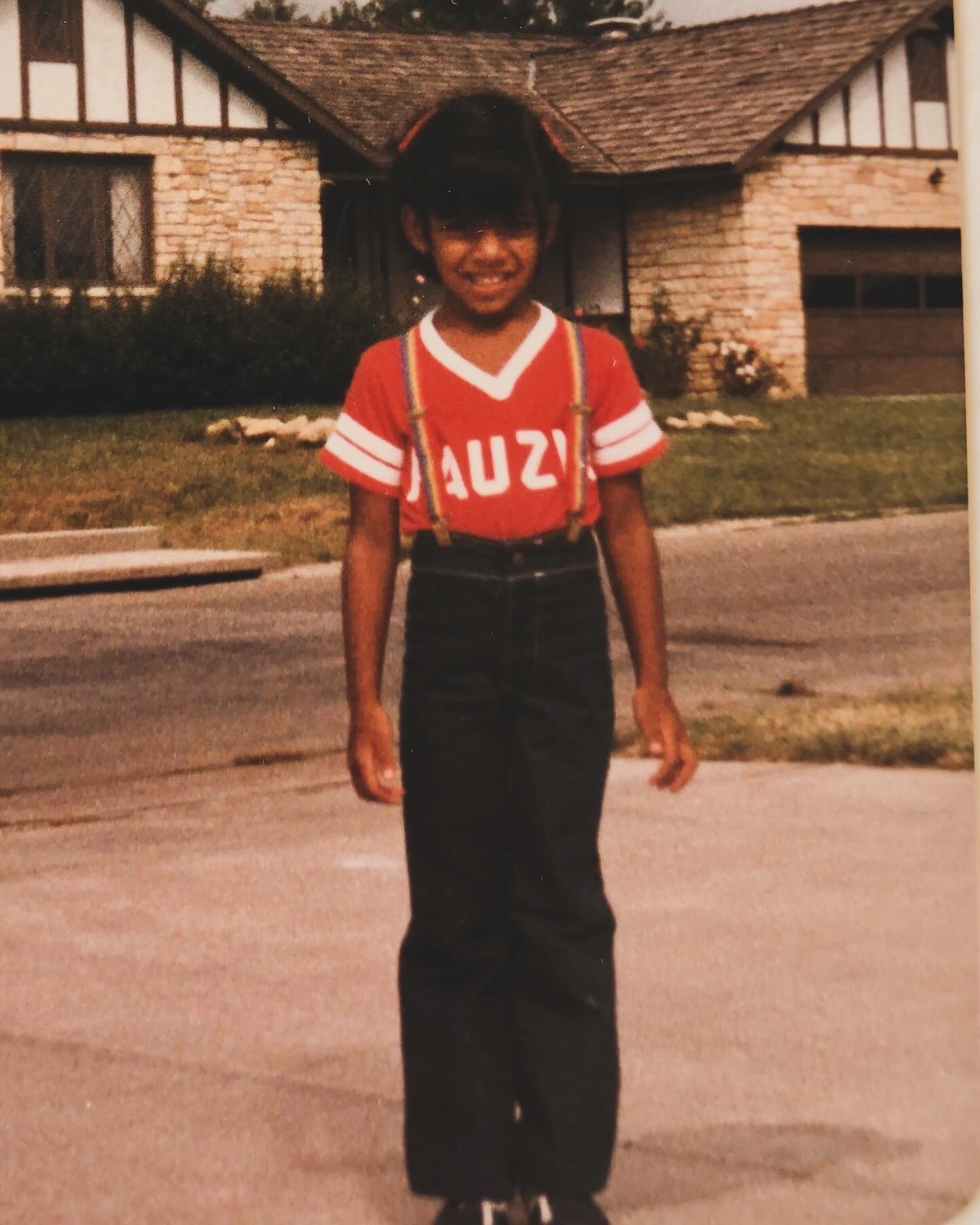
That prompted a simple but revealing question: What mattered to me as a child?
The answer came easily. Freedom. Creativity. Beauty. Color. Imagination. Kindness. I wanted space to explore, to express myself visually and emotionally, and to exist in environments that felt gentle and affirming. I wasn’t especially motivated by traditional markers of success. What mattered most was the freedom to be myself without having to harden or shrink.
This reflection reinforced something I’ve seen repeatedly in both my personal work and my professional practice:
Many feelings of dissatisfaction or disconnection in adulthood stem from unresolved inner-child wounds.
Inner-child healing is not about revisiting the past for its own sake. It’s about understanding how early experiences shaped the nervous system, belief patterns, and coping mechanisms we still carry. When those early parts of us didn’t receive safety, validation, or consistency, the adult self often compensates through over-responsibility, self-abandonment, or chronic tension.
Over years of inner-child work, I’ve learned how to offer those younger parts the stability and reassurance they once lacked. As safety is restored internally, creativity, joy, and clarity tend to return naturally. This isn’t about becoming childlike—it’s about becoming whole.
A regulated inner child supports a regulated nervous system. When the nervous system feels safe, decision-making improves, boundaries strengthen, and self-trust deepens.
Inner-child work became a foundational part of my sessions several years ago, after a client’s inner child emerged clearly during our work together—seeking acknowledgment rather than correction. Since then, I’ve seen how powerful it is to address what the inner child is carrying. What remains unresolved internally often shows up externally. Healing one supports healing the other.
A healed inner child becomes a source of clarity rather than reactivity. Instead of driving behavior unconsciously, it becomes an internal ally—guiding creativity, authenticity, and emotional resilience.
Questions for Reflection
• What qualities defined you as a child?
• What activities or environments helped you feel most alive?
• Is there a part of yourself that learned to hide or adapt in order to belong?
• What would it look like to welcome that part back now?
Living in alignment with your essence isn’t indulgent—it’s stabilizing. This kind of integration strengthens the nervous system, supports emotional health, and allows you to engage with life from a place of authenticity rather than survival.
This is how individual healing happens. And quietly, it’s how collective healing begins.

Finding Balance through Your Human Design Environment
When I'm feeling out of sorts, I go into my Cave. This is my “environment” according to the Primary Health System of Human Design, or PHS.
Your PHS Environment reveals where your body naturally settles.
Not where you think you should be comfortable — but where your nervous system can finally exhale.
This isn’t about overhauling your life or routine.
It’s about small, quiet adjustments that allow your body to feel safe again.
And it's not just about the physical environment or place- your environment is also a vibe that you can create regardless of where you are.
The holiday season has a way of pulling us out of ourselves.
More going on, more to do. It's cozy, it's festive, but it's also stressful. Parties and travel disrupt routines. We get overwhelmed, and emotions run high.
Even the most grounded nervous systems can feel stretched this time of year.
When I'm feeling out of sorts, I go into my Cave. This is my “environment” according to the Primary Health System of Human Design, or PHS.
Your PHS Environment reveals where your body naturally settles.
Not where you think you should be comfortable — but where your nervous system can finally exhale.
This isn’t about overhauling your life or routine.
It’s about small, quiet adjustments that allow your body to feel safe again.
And it's not just about the physical environment or place- your environment is also a vibe that you can create regardless of where you are.
THE HUMAN DESIGN ENVIRONMENTS
🪨 CAVES — Safety & Containment
Your body relaxes when it feels protected. Choose corners, arrive early, and take short breaks alone. Even a few minutes of privacy can restore your nervous system. Put on a hoodie, walk arm in arm with a loved one, hide out in a dressing room, eat a snack in your car, drown everything out with noise canceling headphones. Close the door, close the window, close the curtains. Position yourself so that you can see who is coming and who is going. A sense of control over your environment is important for you.
Travel tip: Window seats, cozy layers, and quiet help you settle.
🛍 MARKETS — Movement & Variety
Your system thrives on stimulation and exchange. Let yourself circulate, browse, and shift conversations rather than staying in one place too long. Variety and choices are important. Diversity. Allow yourself to “shop” the options and be fussy about what you like and don't like. Literally go to the farmers market or grocery store and browse. Take a walk down a lively street and check out the offerings. Window shop.
Travel tip: Busy terminals and cafés can feel surprisingly grounding.
🍲 KITCHENS — Process & Participation
Your body wants to be in the flow. Helping cook, prep, clean, or create is often more regulating than resting on the sidelines. My boys are Kitchens and one loves to play soccer with his team and the other loves to hang at the skate park with his friends and do visual arts collabs. It's about being in the mix, where things transform and alchemize. Art studios, working with clay, healing spaces, labs.
Travel tip: Active spaces where things are happening help you land.
🏔 MOUNTAINS — Distance & Perspective
Your nervous system calms with space. Step back, observe, take solo walks, and leave before exhaustion sets in. High ceilings, the top of a staircase, a pause at a vantage point. Literally hiking up a mountain or a hill, being in nature. Minimalist spaces, skylights, a rooftop deck, a room with a view.
Travel tip: Window seats and visual distance bring clarity.
🌿 VALLEYS — Flow & Connection
Movement, sound, and gentle interaction regulate you. Walk-and-talks and background noise support your system more than prolonged stillness. Podcasts, co-working spaces, music in headphones, live music, sound baths. Walking errands. Run a small errand between social interactions to reset. Change rooms or open a window to keep things flowing. Focus on circulation instead of stillness.
Travel tip: Sidewalks, stations, and hallways can feel grounding.
🌊 SHORES — Edges & Boundaries
You thrive at the threshold. Sit at the edge, step outside often, arrive early or late, and give yourself permission to hover. Coastlines, balconies, thresholds, cafes on corners. Observe and engage without immersing yourself fully. Sit at the end of the table, position yourself near exits, doorways and windows. Allow yourself an “out” both physically and emotionally, and take regular breaks before you actually need them.
Travel tip: Aisle seats and time near windows help you stay regulated.
Reminders:
Everything in Human Design is an experiment. Resonance is more meaningful than mechanics, so if a different environment resonates with you more than your own, go with it!
Notice where your body softens.
Notice where your breath deepens.
Notice which spaces help you feel more yourself.
Your Environment isn’t something to get right — it’s something to feel into.
When in doubt, just listen to your body and regulation will follow naturally.
Discovering that I am Caves has given me the freedom to fully embrace what truly feels right and to honor my needs. I hope learning your Human Design Environment offers you the same clarity and permission.

Energetic Hygiene: It's like brushing and flossing, but for your aura
We are energy beings who exchange, absorb and alchemize energy all day long.
If you are highly sensitive, or have a lot of open centers in your Human Design chart, you probably take on other peoples’ energies like a sponge.
We are energy beings who exchange, absorb and alchemize energy all day long.
If you are highly sensitive, or have a lot of open centers in your Human Design chart, you probably take on other peoples’ energies like a sponge.
Throughout the day and before you go to bed, check in with yourself, release all that is not yours, and call back your energy to yourself. It's easy to become fragmented throughout the course of the day, but you can just as easily find that place of wholeness and balance.
You might need Energetic Hygiene if:
You’re tired for no reason
You feel inexpliably “icky”
You’re full of strange thoughts
You feel overwhelmed
You’re extra weepy or emotional
You have tightness in your throat
10 Ways to Clear Your Auric Field:
1/ Take a shower and gently exfoliate to wash the day away.
2/ Wash your hair, massaging your scalp to release any stuck energies in your crown.
3/ Get into the ocean or an epsom salt bath.
4/ Take a barefoot walk outside to ground into the earth’s healing frequency.
5/ Find a room where you can be alone in your own aura for a while. Nap or rest and just let yourself be.
6/ Do some deep stretching like butterfly pose, pigeon, or happy baby. Do deep abdominal twists to help “wring out” the liver, spleen and stomach, where we hold a lot of emotions. Gently tap the area under your right rib cage where the liver and gall bladder live. Breathe deeply and allow yourself to release.
7/ Do a “standing sweep” of your body. Stand with your feet rooted firmly on the floor. Starting at the top of your head and working your way down to your feet, use your hands to physically sweep each part of your body, saying out loud “This energy is not mine, and I release it now.” Do 2-3 passes over each part of your body or until you feel restored.
8/ Exercise, move your body, dance it out, jump up and down. There’s nothing like a little workout to let go of all that’s not yours. And the endorphins are a great bonus.
9/ Smudge yourself with sage or palo santo, circling over each chakra in a counter-clockwise motion.
10/ Cry it out! It works every time.

Letting Go to Quantum Leap: The Virgo Lunar Eclipse
This Friday, March 14 at 2:54 AM Eastern, we experience a Full Moon Lunar Eclipse in Virgo—an especially potent South Node eclipse.
South Node eclipses are about release. They invite us to shed outdated patterns, karmic residue, and old wounds that no longer belong in the life we’re growing into. This is a deeply karmic moment, one that holds the potential to shift you onto a new, more aligned timeline—what I often call a quantum leap.
This Friday, March 14 at 2:54 AM Eastern, we experience a Full Moon Lunar Eclipse in Virgo—an especially potent South Node eclipse.
South Node eclipses are about release. They invite us to shed outdated patterns, karmic residue, and old wounds that no longer belong in the life we’re growing into. This is a deeply karmic moment, one that holds the potential to shift you onto a new, more aligned timeline—what I often call a quantum leap.
If you’re feeling it already, you’re not imagining things. Eclipse energy tends to stir us before the exact moment arrives, nudging us to notice where we’re still operating from habit rather than truth. This is a powerful time to reflect on your personal South Node themes (Jan Spiller’s Astrology for the Soul is a beautiful resource for this), as well as ancestral or past-life patterns that may be asking to be healed and released.
Whether you follow astrology closely or simply feel the energetic tides, know this: we’re entering a portal of cleansing and completion. When you work with this energy—rather than resist it—it can support profound clarity and freedom.
The eclipse portal opens with this Virgo Lunar Eclipse on March 14 and closes with the Aries Solar Eclipse on March 29. And while eclipses peak on specific dates, their influence is often felt for weeks on either side.
I see this window as an invitation to gently but bravely ask yourself:
• Where am I clinging to safety instead of choosing freedom?
• Where do I avoid vulnerability, intimacy, or being truly seen?
• Am I seeking validation externally rather than cultivating self-trust and self-love?
• Am I staying in relationships, roles, or patterns that no longer nourish me?
• Am I holding myself to impossible standards instead of allowing myself to be human?
• Where do people-pleasing or perfectionism keep me from my truth?
What would it feel like to finally let go of what isn’t authentically you?
Maybe it looks like a deep exhale. Shoulders softening. A sense of coming home to yourself. Less effort, more flow. More creativity, self-trust, and alignment—and fewer compromises of your own spirit.
These are tender questions, and I ask them from a place of deep love and respect for your path. Familiar patterns can feel safe, but staying in them too long often leads to feeling stuck, exhausted, or disconnected from yourself.
I’ve been there. More than once. And each time, choosing to face what needed healing changed everything. It wasn’t always easy—but I was never unsupported.
And you don’t have to do this alone.
This eclipse portal offers an opportunity to clear subconscious beliefs, release old fear and control patterns, heal inner child wounds, resolve karmic agreements, and reconnect with your innate sense of sovereignty. When you tune into what’s rising now and allow it to move through, you create space for clarity, calm, empowerment, and real forward momentum.
This is how we evolve.
This is how we come back into flow.
This is how we quantum leap.
Eclipses invite completion. You don’t need to force release—simply notice what feels heavy, outdated, or no longer aligned. Awareness alone begins the clearing.
Take a few quiet moments to reflect or journal:
• What am I ready to let go of?
• Where am I holding on out of fear rather than trust?
• What becomes possible if I soften my grip and allow change?
Let the answers unfold gently over the coming days. What’s meant to leave will do so with grace—and what’s meant to stay will feel lighter, clearer, and more true.
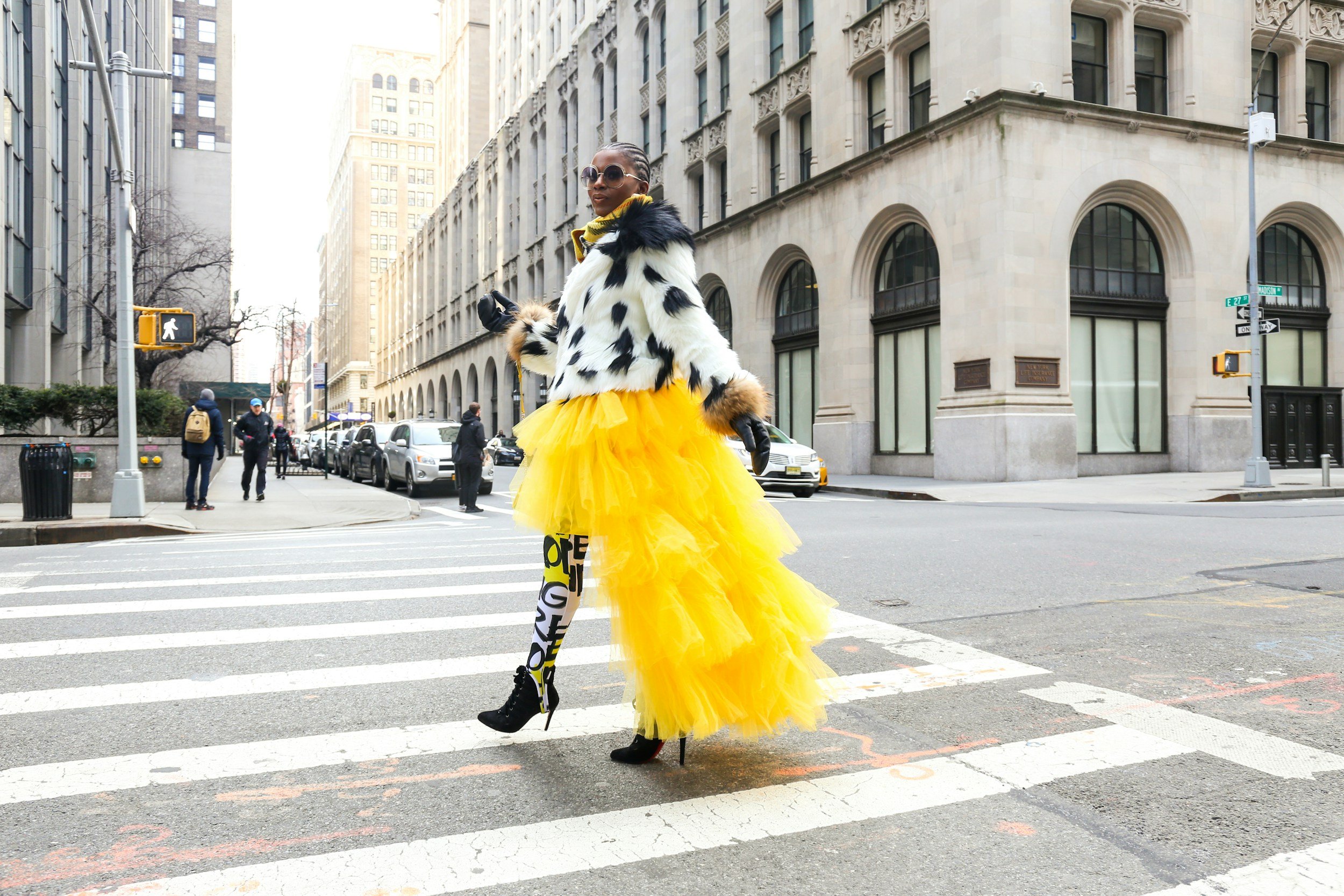
The gift of Human Design: understanding and embracing your uniqueness
Human Design emphasizes a central truth: every individual is inherently unique. As Ra Uru Hu, the founder of Human Design, said:
“My message to everyone is uniqueness. You are unique- I know it. It is so obvious. And it’s so clear that the perfected expression of your uniqueness is a holy thing. It’s holier than anything that anyone could ever imagine. It is the embodiment of the creative force in its fractal.”
Human Design emphasizes a central truth: every individual is inherently unique. As Ra Uru Hu, the founder of Human Design, said:
“My message to everyone is uniqueness. You are unique- I know it. It is so obvious. And it’s so clear that the perfected expression of your uniqueness is a holy thing. It’s holier than anything that anyone could ever imagine. It is the embodiment of the creative force in its fractal.”
This means that you carry a specific combination of energy, intuition, and potential that no one else can replicate- it’s your frequency. Understanding and embracing your unique frequency has profound effects on your life, your relationships, and your orientation to the world and your soul’s path.
Your frequency and energetic design manifest through:
How you move through life and approach challenges
How your intuition and Authority communicates with you
How you express yourself and connect with others
The timing and trajectory of your life
The energy you naturally emit and the environments in which you thrive
Your motivations, passions, and sources of inspiration
How you give and receive love, and the balance of connection and solitude you require
Your natural strengths and areas where you tend to get stuck
For many of us, growing up in a world that values conformity made it difficult to recognize and honor these traits. Characteristics that were once seen as “different” are now celebrated as creativity, individuality, and innovation.
Astrologically, this cultural shift is reflected in Pluto’s transit from Capricorn to Aquarius. This transit signals a movement away from rigid societal structures and toward collective innovation, authenticity, and a more equitable balance of power. It encourages individuals to live in alignment with their true selves, rather than simply following external expectations.
From a Human Design perspective, thriving in your uniqueness means:
Recognizing and honoring your personal energy and decision-making strategies
Understanding what environments, relationships, and practices support your growth
Embracing the natural timing and flow of your life rather than resisting it
Allowing your authentic self to guide your contributions and purpose
When you fully embody your unique design, it strengthens not only your own life, but also the collective. Each person’s distinct energy contributes to innovation, creativity, and a more harmonious society.
In this way, understanding your uniqueness is both a personal and collective practice. By exploring and living in alignment with your design, you can experience life with greater clarity, ease, and fulfillment, and self actualize as you are intended to. Shining fully in your essence, bringing your frequency to the world, which is what we need now more than ever.